
Tag: Transport Units
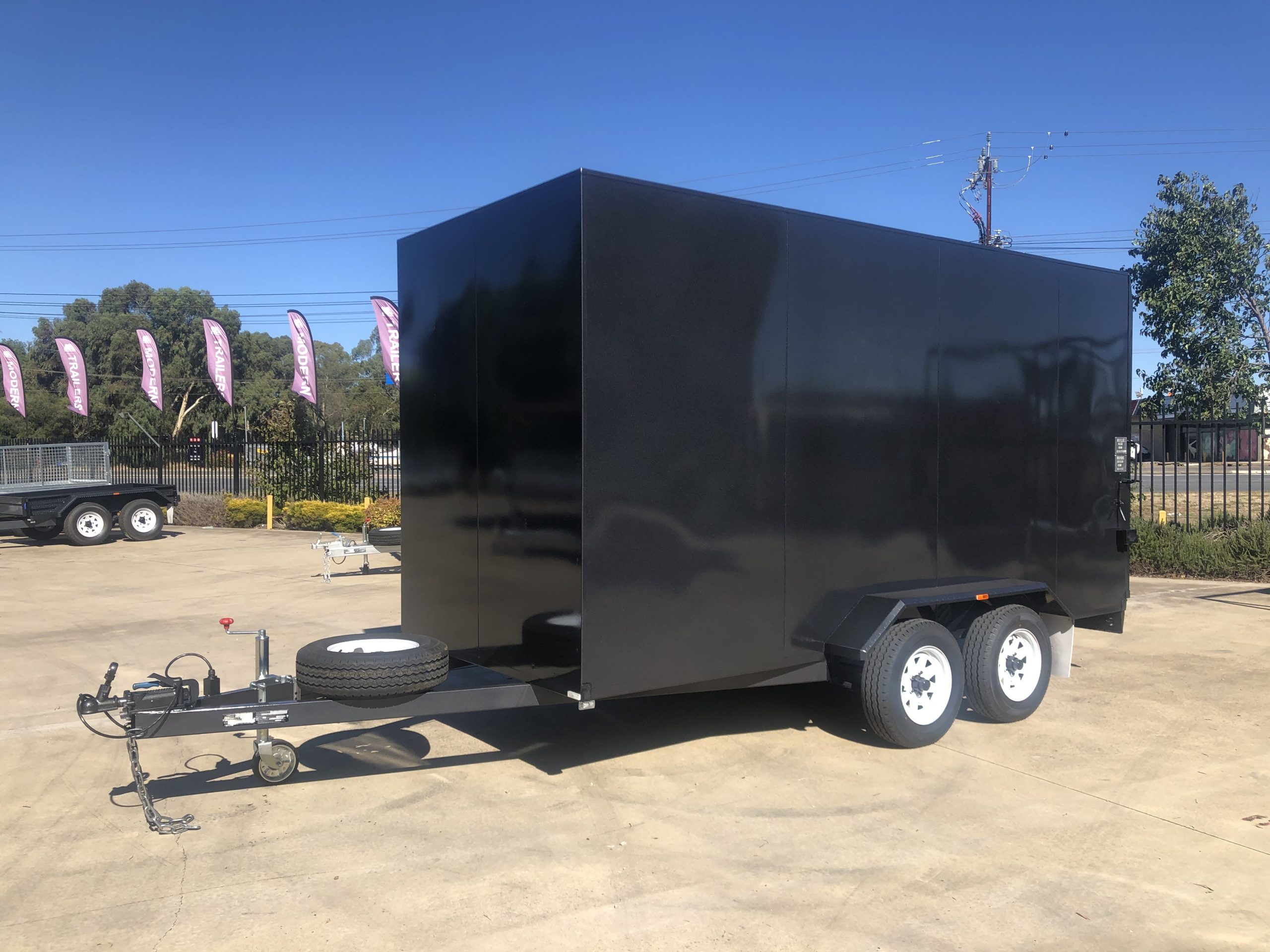
What To Know Before Investing In Utility Transport Units
Most people do not wake up planning to buy a trailer. It usually starts with a growing need. More tools. Larger equipment. A business that no longer fits inside a pickup bed. During that search phase, names like USA Trailer Sales often come up while comparing models and availability.
But choosing a trailer is not just about what is in stock.
It is about how that trailer will behave two years from now. Five years from now.
Budget planning before excitement takes over
Price tags grab attention first. That is normal.
Still, the number on the lot is only the starting point. Ownership includes:
- Registration fees
- Insurance coverage
- Tire replacements
- Brake servicing
- Occasional electrical repairs
If you calculate only the purchase price, the math feels incomplete.
Sometimes spending slightly more upfront reduces long term maintenance headaches. Sometimes it does not. It depends on build quality.
Load requirements are not guesswork
Think carefully about real usage. Not ideal usage. Not rare scenarios.
Ask:
- What is the heaviest load I regularly move
- How often will towing happen
- Will cargo shift or remain fixed
Overestimating capacity increases cost and towing weight. Underestimating capacity creates strain and potential safety issues.
There is a balance. It is not always obvious at first glance.
Safety standards deserve slow attention
Brake systems. Axle strength. Frame weld quality. Tire ratings.
These details feel technical. They are practical.
Before signing paperwork, inspect:
- Weld consistency along the frame
- Alignment of axles
- Door hinge strength
- Wiring connections
Even new trailers deserve close inspection. Manufacturing is rarely perfect.
Customization and real world workflow
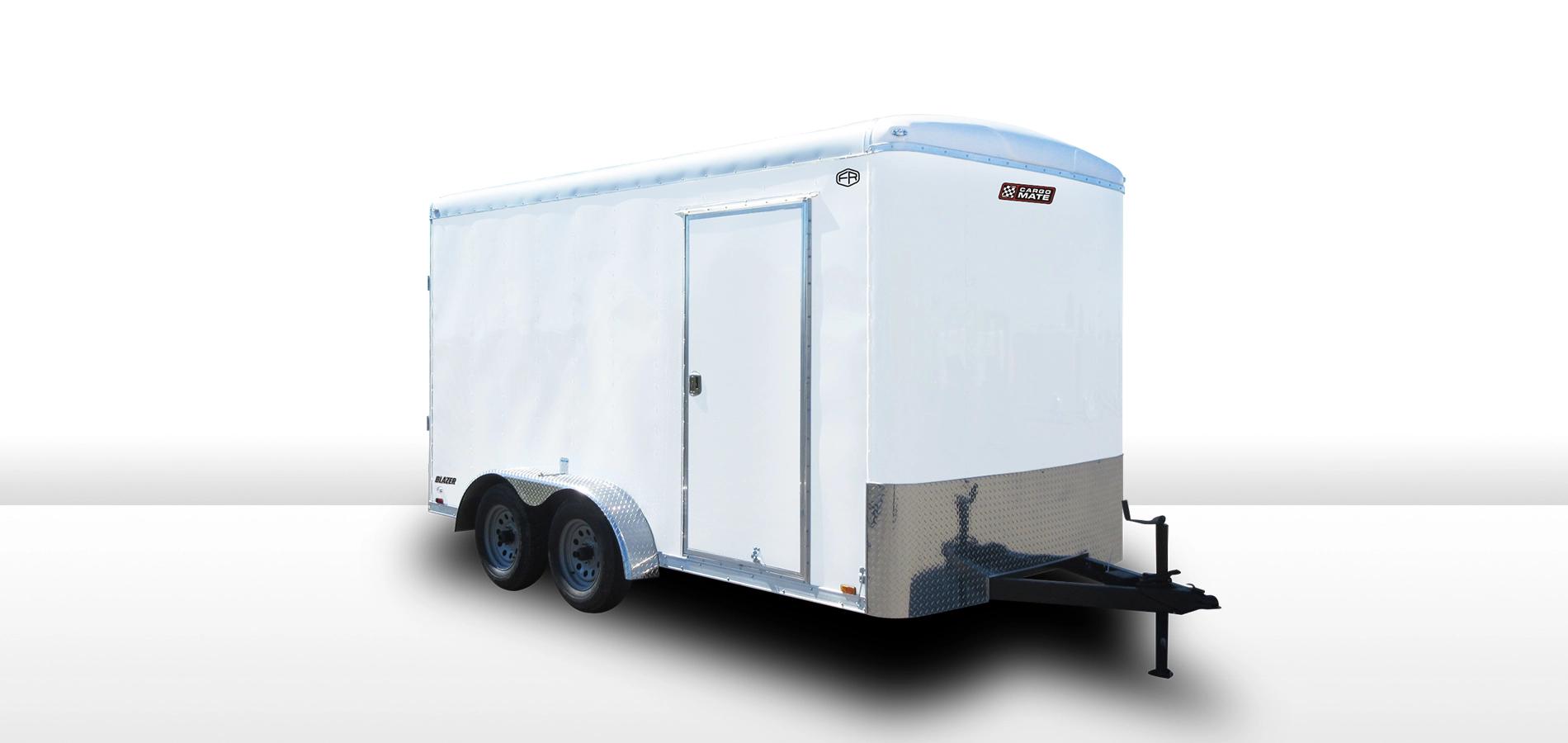
Some buyers need interior shelving. Others require reinforced flooring. Some want extra lighting for early morning loading.
Customization should match daily workflow. Not appearance.
When evaluating options through sales, discussing real usage scenarios with a representative often reveals features you may not have considered.
Because efficiency matters once the trailer becomes part of routine.
Registration and compliance come quietly
Paperwork does not feel exciting. But missing it delays usage.
Each state has specific registration requirements. Some weight classes require additional documentation or inspection.
Confirm:
- Title process
- Inspection rules
Administrative clarity prevents unexpected roadblocks.
Maintenance is the long game
A trailer is not a one time transaction. It is an ongoing responsibility.
Regular maintenance should include:
- Tire pressure checks
- Brake inspection
- Frame rust review
- Electrical testing
Skipping routine checks often leads to larger repairs at inconvenient moments.
It sounds simple. It is.
When researching options like USA Trailer Sales, slowing down the decision process often leads to a stronger outcome. A well matched trailer becomes part of your workflow quietly and reliably. That quiet reliability is usually the real goal.