
How Advanced Construction Services Increase Durability and Functional Building Performance
Modern projects demand strong planning with reliable construction practices that ensure long-term value. Construction plays a key role in shaping safe spaces that support daily needs while reducing repair efforts over time. Smart planning choices help reduce damage risks while improving stability under varying conditions. Careful material use, along with skilled execution, supports longer life cycles for structures, as seen with Lakewood Construction Services in Grand Rapids.
Material Quality Selection
Choosing proper materials supports lasting strength while reducing early wear. Reliable sourcing ensures each component meets expected safety levels without compromise. Balanced use of durable elements improves resistance against pressure and environmental impact. Skilled teams focus on selecting materials that suit the intended purpose while maintaining cost control.
Safety Compliance Standards
Strong safety practices protect both structural quality and human well-being.
- Clear safety rules guide teams to follow proper work methods consistently
- Protective measures reduce accident risks and support steady project progress
- Regular safety checks ensure materials and processes meet required standards
- Skilled supervision helps maintain discipline and prevents careless work actions
- Safety awareness improves confidence while supporting reliable project outcomes
Structural Design Efficiency
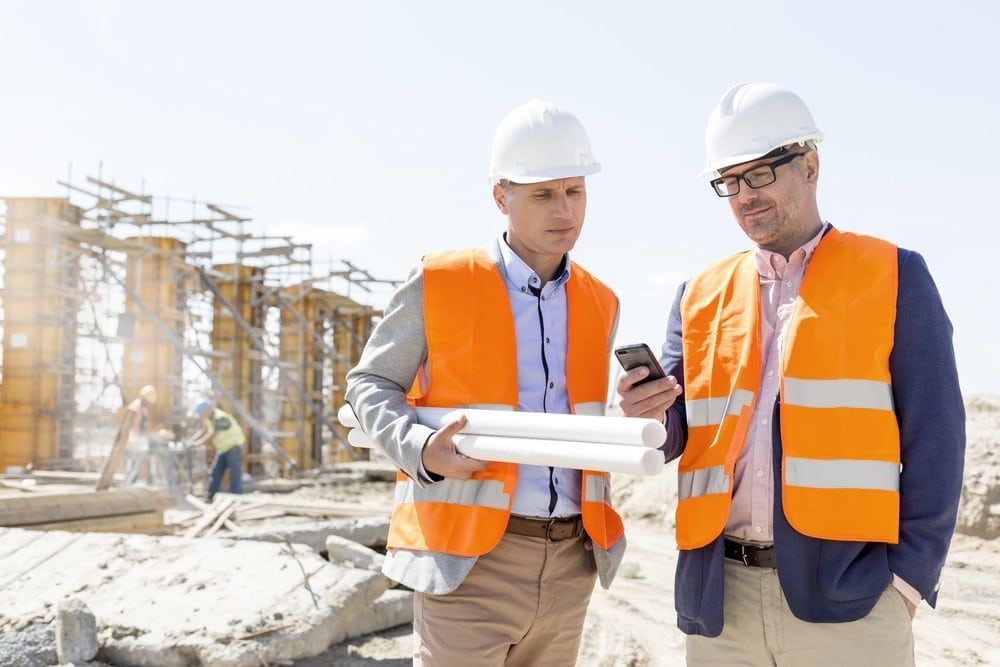
Well-planned layouts improve load distribution while keeping structural stress balanced. Engineers study weight flow to prevent weak points from forming over time. Clear planning ensures each part contributes to overall strength without excess strain. Lakewood Construction Services in Grand Rapids highlights planning methods that strengthen framework reliability and long-term usability.
Modern Techniques Integration
Advanced techniques improve build precision while reducing material waste. Updated methods allow teams to complete tasks with better accuracy and faster timelines. Improved tools help maintain consistent quality across every stage of work. Smart planning methods also reduce errors that may lead to future repairs.
Environmental Adaptation Methods
Designs that consider surroundings help structures remain stable across changing conditions. Climate-responsive planning reduces stress caused by external factors like moisture or heat. Strong insulation methods protect internal systems while supporting energy balance. Flexible design choices improve adaptability, which helps maintain steady performance across seasons.
Thoughtful planning combined with skilled execution ensures structures remain reliable for extended periods without frequent repairs. Each stage from material choice to upkeep, contributes to balanced strength and stable use. Proper design improves resistance against stress while careful attention prevents early damage. Adopting improved methods allows projects to achieve dependable results with reduced long-term costs.
FAQs
What improves building strength through better planning methods and material choices?
Better planning methods improve strength, while materials ensure stability and long-term performance.
Why modern techniques support long-lasting building performance and reduced repair needs?
Modern techniques improve accuracy while reducing damage risks and extending structure’s durability.
How safety standards contribute to improved building reliability across various conditions?
Safety standards reduce risks while supporting consistent structure, strength, and long-term stability.