Preventing Structural Damage with Routine Mold Inspection and Analysis
Property strength depends on steady attention to hidden interior conditions. Small surface changes often hint at deeper structural weakness that grows slowly over time. Regular mold inspection helps identify early warning signs before hidden damage expands into serious repair concerns. When evaluation begins early, property stability remains stronger for many years through simple preventive action, such as mold testing and inspection shady acres.
Early Structural Risk Signals
Small structural changes often begin quietly inside walls or ceilings. Slight odor shifts, surface spotting, or material softness may suggest early mold growth developing within damp spaces. When these signals receive prompt attention, deeper structural weakening can often be avoided.
Moisture Source Identification
Hidden moisture often creates the main condition that encourages mold activity indoors. Careful examination of interior surfaces helps reveal slow leaks, trapped humidity pockets, or poorly ventilated areas. Locating moisture origins early prevents gradual material decay within support structures. Removing dampness quickly reduces the chance of mold returning inside protected building areas.
Hidden Growth Risk Signs
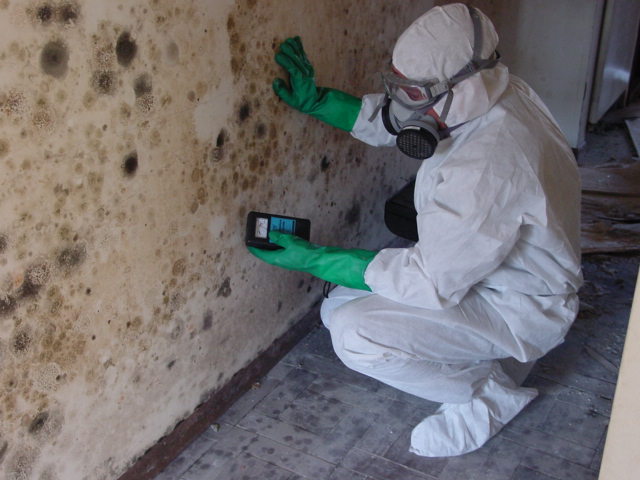
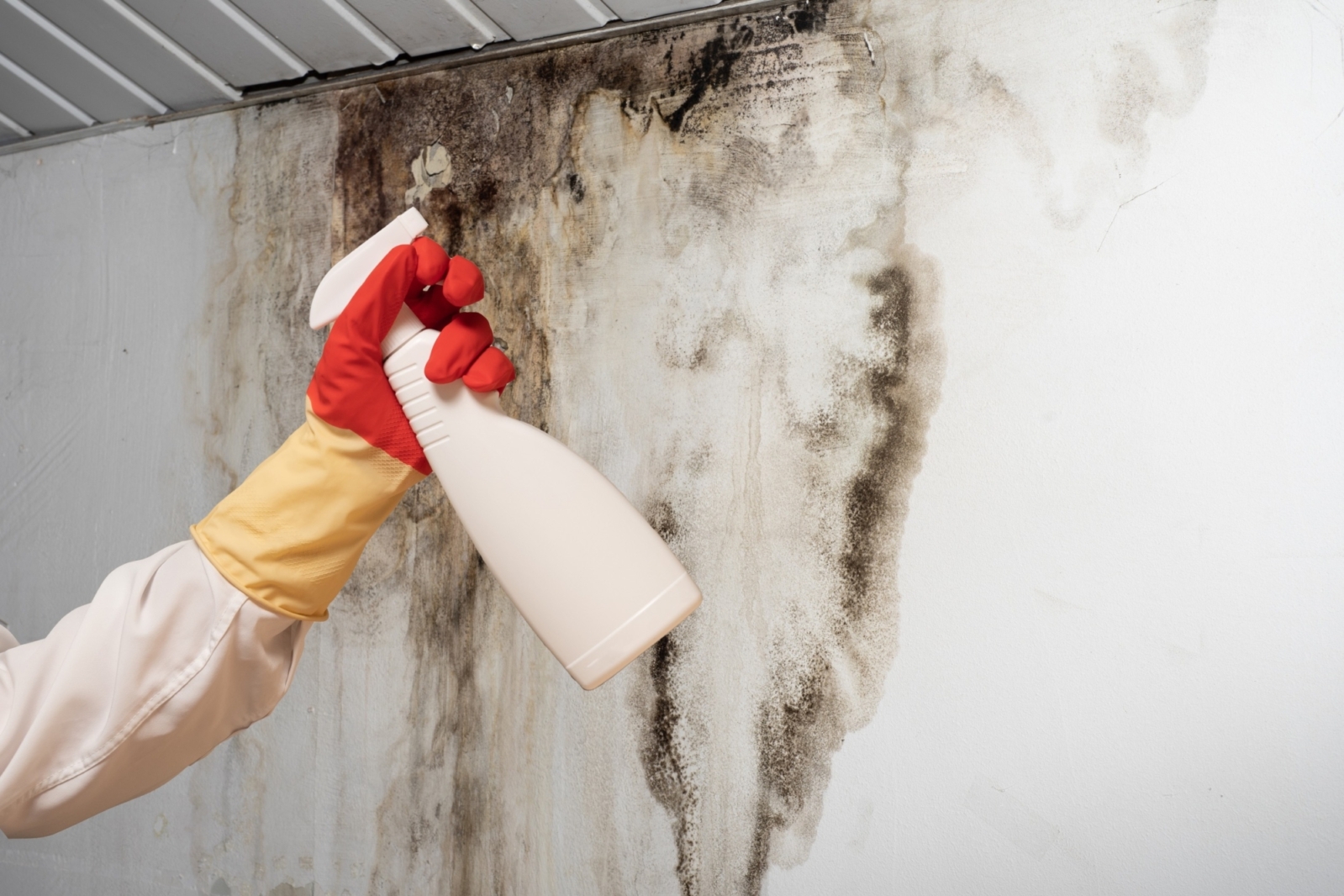
Subtle interior marks may signal deeper material changes occurring behind surfaces. Trained evaluation helps locate affected spaces where airflow remains limited for long periods. Professional analysis, such as mold testing and inspection shady acres supports accurate detection of mold spores inside concealed sections. Early identification reduces the possibility of long-lasting structural weakening inside walls or flooring.
Structural Protection Advantages
Routine environmental checks support stronger building stability while limiting unexpected repair costs.
- Early detection protects interior materials from spreading structural deterioration risks
- Routine evaluation supports stronger indoor air balance through timely moisture control
- Professional testing helps locate hidden spores before interior materials weaken significantly
- Preventive assessment reduces sudden repair expenses linked to unnoticed moisture damage
- Careful analysis strengthens long-term property durability through consistent structural checks
Professional Property Evaluation Value
A trained inspection process studies air quality, surface condition, and material stability together. This broad evaluation helps locate mold growth that may remain hidden from casual observation. Detailed testing results allow property owners to respond quickly with corrective maintenance.
Building Stability Protection
Strong structures depend on steady observation of moisture behavior within interior spaces. Regular inspection routines help detect small warning signs before deeper material weakening spreads through support sections. When early testing identifies hidden concerns, property owners can address moisture sources and improve interior balance.
FAQs
Why should property owners arrange routine structural inspections for indoor safety?
Routine evaluation identifies hidden moisture issues early, before serious structural damage develops.
What signs may suggest hidden growth inside interior building surfaces?
Surface spots with unusual odor in soft materials may indicate concealed mold activity inside.
Can regular testing help maintain long-lasting property structural stability?
Yes, early detection prevents moisture spread, protecting materials and supporting stronger building durability.